Ever wondered how complex software or business processes are designed flawlessly? The secret lies in system analysis—a powerful discipline that bridges ideas and execution with precision and clarity.


What Is System Analysis? A Clear Definition

System analysis is a structured process used to study a system or its components to identify its objectives, functions, and requirements. It’s the foundation of any successful IT project, business transformation, or organizational improvement. By breaking down complex processes, system analysis helps stakeholders understand how systems work—and how they can be improved.
The Core Purpose of System Analysis
The primary goal of system analysis is to solve problems efficiently. Whether it’s streamlining a company’s workflow or developing a new software application, system analysis ensures that every requirement is captured, every bottleneck is identified, and every solution is aligned with business goals.
- To define system requirements accurately
- To improve efficiency and reduce operational costs
- To ensure alignment between technology and business strategy
“System analysis is not just about technology—it’s about understanding people, processes, and goals.” — Dr. Linda Rising, Software Engineering Expert
Historical Evolution of System Analysis
System analysis emerged in the mid-20th century alongside the rise of computers and large-scale data processing. Initially used in military and government projects, it quickly became essential in business and software development.
By the 1960s and 70s, structured methodologies like Structured Systems Analysis and Design Method (SSADM) were developed. These formalized the way analysts approached system design, introducing diagrams, data flow models, and requirement documentation.
Today, system analysis has evolved with agile methodologies, DevOps, and AI-driven analytics, making it more dynamic and responsive than ever before. You can explore the evolution of systems engineering at SEBoK (Systems Engineering Body of Knowledge).
The 7 Key Steps in System Analysis
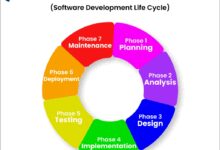
Conducting effective system analysis isn’t random—it follows a proven sequence of steps. Mastering these seven stages ensures that no critical detail is overlooked and that the final system meets user expectations and technical standards.
Step 1: Preliminary Investigation
This initial phase involves identifying the problem or opportunity. Analysts gather high-level information to determine whether a full-scale analysis is warranted.
- Define the problem scope
- Assess feasibility (technical, economic, operational)
- Identify key stakeholders
During this stage, a feasibility study is often conducted to evaluate whether the proposed system is worth pursuing. This includes cost-benefit analysis and risk assessment.
Step 2: Requirement Gathering and Analysis
This is arguably the most critical phase in system analysis. Here, analysts interact directly with users, managers, and technical teams to collect detailed functional and non-functional requirements.
Techniques used include interviews, surveys, observation, and document analysis. The goal is to answer: What should the system do? How should it behave under different conditions?
- Functional requirements (e.g., user login, data export)
- Non-functional requirements (e.g., performance, security, scalability)
- Constraints (e.g., budget, timeline, regulatory compliance)
A well-documented Software Requirements Specification (SRS) is typically produced at the end of this phase. For best practices in requirement gathering, visit IEEE Standards Association, which provides guidelines for SRS documentation.
Step 3: System Modeling and Design
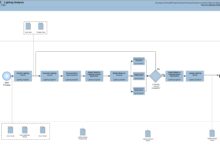
Once requirements are clear, analysts use modeling tools to visualize the system. This helps in understanding data flows, processes, and interactions.
Common modeling techniques include:
- Data Flow Diagrams (DFD)
- Entity-Relationship Diagrams (ERD)
- Use Case Diagrams (UML)
These diagrams serve as blueprints for developers and stakeholders. They make abstract concepts tangible and help detect design flaws early.
“A picture is worth a thousand requirements.” — Grady Booch, UML Co-Creator
Step 4: Feasibility Study
Before moving forward, a comprehensive feasibility study evaluates whether the proposed system can be implemented successfully. This includes five key dimensions:
- Technical Feasibility: Can we build it with current technology?
- Economic Feasibility: Will the benefits outweigh the costs?
- Operational Feasibility: Will users accept and adopt it?
- Schedule Feasibility: Can it be delivered on time?
- Legal Feasibility: Does it comply with regulations like GDPR or HIPAA?
This step prevents costly mistakes by filtering out unrealistic projects early in the lifecycle.
Step 5: System Specification
At this stage, the analyst produces a detailed system specification document. This includes:
- Functional specifications
- Interface designs
- Data models
- Process logic (e.g., decision tables, flowcharts)
This document becomes the contract between business stakeholders and the development team. It ensures everyone has a shared understanding of what will be built.
Step 6: Prototyping and Validation
To reduce uncertainty, many teams create a working prototype—a simplified version of the system. This allows users to interact with the design and provide feedback before full development begins.
Prototyping is especially useful in user-centered designs where usability is critical. It reduces the risk of building a system that doesn’t meet real user needs.
- Rapid prototyping for quick feedback
- Throwaway vs. evolutionary prototypes
- User testing and iterative refinement
For insights into modern prototyping tools, check out Figma or InVision, which support collaborative design and user testing.
Step 7: Final Proposal and Presentation
The last step in system analysis is presenting the final proposal to decision-makers. This includes all findings, models, cost estimates, timelines, and recommended solutions.
A compelling presentation increases the chances of project approval. It should clearly communicate the value proposition, risks, and expected outcomes.
- Executive summary
- Recommended solution
- Implementation roadmap
- ROI analysis
This phase marks the transition from analysis to design and development.
Types of System Analysis: Understanding the Variants
Not all system analysis is the same. Depending on the context, different types are applied to address specific challenges. Understanding these variants helps analysts choose the right approach.
Business System Analysis
This type focuses on improving business processes rather than just technology. Business analysts examine workflows, organizational structures, and policies to enhance efficiency and effectiveness.
Tools like SWOT analysis, process mapping, and value stream analysis are commonly used. The goal is to align IT initiatives with strategic business goals.
- Improving customer service processes
- Reducing operational waste
- Supporting digital transformation
Organizations like the International Institute of Business Analysis (IIBA) provide certifications and frameworks such as BABOK (Business Analysis Body of Knowledge) to standardize this practice.
Technical System Analysis
Also known as software or IT system analysis, this variant deals with the technical aspects of system design. Analysts work closely with developers to define software architecture, database schemas, APIs, and integration points.
It requires strong knowledge of programming, databases, and system integration patterns.
- Analyzing system performance bottlenecks
- Designing scalable backend systems
- Ensuring security and data integrity
This type is critical in software development life cycles (SDLC) and is often integrated into agile and DevOps practices.
Systems Analysis in Healthcare and Finance
In regulated industries like healthcare and finance, system analysis must also address compliance, privacy, and audit requirements.
For example, in healthcare, analysts must ensure systems comply with HIPAA regulations. In banking, systems must meet PCI-DSS standards for payment security.
- Secure patient data handling in EHR systems
- Fraud detection algorithms in financial platforms
- Real-time transaction processing systems
These domains require analysts to balance innovation with strict regulatory adherence.
Tools and Techniques Used in System Analysis
Modern system analysis relies on a wide array of tools and techniques to gather, model, and validate system requirements. Choosing the right tools can significantly improve accuracy and collaboration.
Modeling Tools
Visual modeling is central to system analysis. Tools like Lucidchart, Microsoft Visio, and Draw.io allow analysts to create professional diagrams.
- Data Flow Diagrams (DFD) for showing how data moves through a system
- Entity-Relationship Diagrams (ERD) for database design
- UML (Unified Modeling Language) for object-oriented systems
These tools help translate complex ideas into understandable visuals for both technical and non-technical stakeholders.
Requirement Management Tools
Managing hundreds or thousands of requirements manually is error-prone. Tools like Jira, Trello, and IBM Rational DOORS help track, prioritize, and trace requirements throughout the project lifecycle.
- Linking requirements to test cases
- Version control for requirement documents
- Collaborative editing and commenting
These platforms enhance transparency and reduce miscommunication between teams.
Prototyping and Simulation Tools
As mentioned earlier, prototyping is a powerful validation technique. Tools like Figma, Adobe XD, and Axure RP enable rapid creation of interactive prototypes.
- Creating clickable mockups
- Conducting usability testing
- Gathering real-time user feedback
Simulation tools like MATLAB or AnyLogic are used in engineering and scientific domains to model system behavior under various conditions.
The Role of a System Analyst: Skills and Responsibilities
A system analyst acts as a bridge between business stakeholders and technical teams. Their role is multifaceted, requiring both analytical thinking and strong communication skills.
Core Responsibilities
The day-to-day tasks of a system analyst vary depending on the project, but common responsibilities include:
- Conducting interviews with users and stakeholders
- Documenting system requirements
- Creating process models and data flow diagrams
- Collaborating with developers and testers
- Validating system functionality against requirements
They are often involved from project initiation through to implementation and post-deployment review.
Essential Skills for Success
To excel in system analysis, professionals need a blend of technical, analytical, and interpersonal skills.
- Problem-Solving: Ability to dissect complex issues and propose effective solutions.
- Communication: Clear articulation of technical concepts to non-technical audiences.
- Attention to Detail: Precision in documenting requirements and identifying edge cases.
- Technical Proficiency: Familiarity with databases, programming concepts, and system architecture.
- Adaptability: Comfort with changing requirements and agile environments.
Certifications like Certified Systems Analyst (CSA) or Certified Business Analyst Professional (CBAP) can enhance credibility and career prospects.
“The best system analysts are not just tech-savvy—they are empathetic listeners who understand user pain points.” — Karen Lee, Senior IT Consultant
System Analysis in Agile and DevOps Environments
Traditional system analysis followed a linear, waterfall model. However, in today’s fast-paced world, many organizations adopt agile and DevOps practices, which require a more flexible approach to system analysis.
Agile System Analysis
In agile development, system analysis is iterative and incremental. Instead of gathering all requirements upfront, analysts work in sprints, refining requirements as the project evolves.
User stories, backlog grooming, and sprint planning are key activities. The analyst collaborates closely with the product owner and development team to ensure continuous alignment.
- Writing user stories with clear acceptance criteria
- Participating in daily stand-ups and sprint reviews
- Adjusting requirements based on user feedback
This approach allows for faster delivery and greater responsiveness to change.
DevOps and Continuous Analysis
DevOps emphasizes collaboration between development and operations teams. In this context, system analysis extends beyond design into monitoring and optimization.
Analysts use real-time data from production systems to identify performance issues, security vulnerabilities, and usability problems. This feedback loop enables continuous improvement.
- Using logs and monitoring tools (e.g., Prometheus, Grafana)
- Analyzing user behavior with analytics platforms
- Automating requirement validation through CI/CD pipelines
This shift represents a move from static analysis to dynamic, ongoing system evaluation.
Challenges and Pitfalls in System Analysis
Despite its benefits, system analysis is not without challenges. Many projects fail due to poor analysis, unclear requirements, or stakeholder misalignment.
Common Challenges
Some of the most frequent obstacles include:
- Vague or changing requirements: Users often don’t know what they want until they see it.
- Stakeholder conflicts: Different departments may have competing priorities.
- Scope creep: Uncontrolled addition of features during development.
- Communication gaps: Misunderstandings between technical and non-technical teams.
- Insufficient user involvement: Lack of feedback leads to unusable systems.
These issues can derail even well-funded projects if not managed proactively.
How to Avoid Failure
To mitigate risks, analysts should:
- Establish clear communication channels
- Use prototypes to validate assumptions early
- Document all decisions and changes
- Involve users throughout the process
- Adopt iterative development models
Regular reviews and checkpoints help keep the project on track and aligned with goals.
“The single biggest problem in communication is the illusion that it has taken place.” — George Bernard Shaw
Future Trends in System Analysis
As technology evolves, so does the field of system analysis. Emerging trends are reshaping how analysts work, making the process smarter, faster, and more predictive.
AI and Machine Learning in System Analysis
Artificial intelligence is beginning to automate parts of the analysis process. AI-powered tools can analyze user behavior, predict system requirements, and even generate preliminary models.
For example, natural language processing (NLP) can extract requirements from meeting transcripts or emails, reducing manual effort.
- Automated requirement extraction
- Predictive analytics for system performance
- Intelligent recommendation engines for design patterns
While AI won’t replace human analysts, it will augment their capabilities significantly.
Low-Code and No-Code Platforms
These platforms allow business users to build applications with minimal coding. This shifts some analysis responsibilities to non-technical users, requiring analysts to focus more on governance, integration, and scalability.
- Empowering citizen developers
- Reducing dependency on IT teams
- Accelerating time-to-market
Analysts must now act as advisors, ensuring that low-code solutions align with enterprise architecture and security policies.
Integration with IoT and Big Data
As organizations deploy more sensors and collect vast amounts of data, system analysis must account for real-time data processing, edge computing, and distributed systems.
- Analyzing data pipelines and streaming architectures
- Designing systems for high availability and fault tolerance
- Ensuring data privacy and ethical use
These challenges require analysts to expand their knowledge into data science and cloud computing domains.
What is the main goal of system analysis?
The main goal of system analysis is to understand a system’s requirements and functions in order to solve problems, improve efficiency, and align technology with business objectives. It ensures that the final solution meets user needs and operates effectively within technical and organizational constraints.
What are the key skills of a system analyst?
A successful system analyst needs strong analytical thinking, excellent communication skills, attention to detail, technical knowledge (e.g., databases, software design), and the ability to manage stakeholder expectations. Problem-solving and adaptability are also crucial, especially in agile environments.
How does system analysis differ from system design?
System analysis focuses on understanding what the system should do—identifying requirements and problems. System design, on the other hand, deals with how the system will be built—defining architecture, components, interfaces, and data structures. Analysis comes before design in the development lifecycle.
Can system analysis be applied outside of IT?
Absolutely. While commonly associated with software and IT, system analysis principles are used in logistics, healthcare, manufacturing, and public administration. Any complex process can benefit from structured analysis to improve performance and outcomes.
Is system analysis still relevant in agile development?
Yes, system analysis remains highly relevant in agile environments. While the approach is more iterative and flexible, the core activities—gathering requirements, modeling processes, and validating solutions—are still essential. The role may evolve, but the need for analysis does not disappear.
System analysis is a vital discipline that transforms vague ideas into functional, efficient systems. From identifying problems to proposing solutions, it plays a central role in technology and business innovation. By following structured steps, using the right tools, and adapting to new trends like AI and agile, analysts can drive meaningful change. Whether you’re building software, optimizing operations, or leading digital transformation, mastering system analysis gives you the clarity and confidence to succeed.
Further Reading: