Ever wondered how complex software systems come to life? It all starts with a structured approach known as the system development life cycle. This proven framework guides teams from concept to deployment—and beyond.


What Is the System Development Life Cycle?

The system development life cycle (SDLC) is a comprehensive framework used to design, develop, test, and deploy information systems efficiently. It provides a structured process that ensures software quality, meets user requirements, and stays within budget and timeline constraints. Originally developed for large-scale government and enterprise projects, SDLC has evolved into a cornerstone of modern software engineering.
Definition and Core Purpose
The system development life cycle is a step-by-step methodology for building reliable, scalable, and maintainable software systems. Its primary goal is to produce high-quality systems that deliver maximum value to stakeholders while minimizing risks and inefficiencies.
According to the IEEE Computer Society, SDLC is defined as ‘a framework that describes the activities performed at each stage of a software development project.’ This definition underscores its role as a blueprint for systematic development.
- Ensures alignment between business goals and technical execution
- Reduces project risks through structured planning
- Facilitates collaboration among cross-functional teams
Historical Evolution of SDLC
The concept of the system development life cycle emerged in the 1960s during the rise of mainframe computing. As organizations began relying on large-scale data processing systems, there was a growing need for standardized development practices.
One of the earliest formal models was the Waterfall model, introduced by Dr. Winston W. Royce in 1970. Although often criticized today for its rigidity, it laid the foundation for future methodologies by introducing sequential phases such as requirements gathering, design, implementation, testing, and maintenance.
“The waterfall model is flawed but foundational—it taught us that software development needs structure.” — Barry Boehm, Software Engineering Researcher
Over time, the system development life cycle adapted to changing technologies and user expectations. The 1990s saw the emergence of iterative models like the Spiral Model, which integrated risk analysis. In the 2000s, Agile methodologies revolutionized SDLC by emphasizing flexibility, customer collaboration, and rapid delivery.
The 7 Key Stages of the System Development Life Cycle
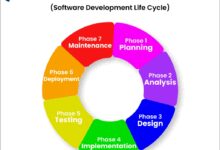
A successful system development life cycle consists of seven distinct yet interconnected stages. Each phase builds upon the previous one, ensuring a logical progression from idea to operational system. Skipping or rushing through any stage can lead to costly errors, scope creep, or system failure.
1. Planning and Feasibility Analysis
This initial phase determines whether a proposed system is worth pursuing. It involves evaluating technical, economic, operational, legal, and schedule feasibility.
- Technical Feasibility: Can the organization build the system with current technology?
- Economic Feasibility: Will the benefits outweigh the costs?
- Operational Feasibility: Will users adopt and effectively use the system?
Tools like SWOT analysis (Strengths, Weaknesses, Opportunities, Threats) and cost-benefit analysis are commonly used. For example, a healthcare provider considering an electronic medical records system would assess whether their IT infrastructure supports integration with existing databases.
A well-documented feasibility report helps stakeholders make informed decisions before committing resources. This stage is crucial in the system development life cycle because it prevents wasted effort on unviable projects.
2. Requirements Gathering and Analysis
Once a project is approved, the next step in the system development life cycle is to gather detailed requirements. This phase focuses on understanding what the system must do, not how it will do it.
Techniques include interviews, surveys, focus groups, observation, and document analysis. The output is a Software Requirements Specification (SRS) document, which serves as a contract between developers and stakeholders.
- Functional requirements: What the system should do (e.g., process payments, generate reports)
- Non-functional requirements: How the system should perform (e.g., response time, security, scalability)
- User stories: Short descriptions of features from the end-user’s perspective
For instance, an e-commerce platform might require functionality to handle 10,000 concurrent users with a page load time under two seconds. These specifics are captured during this phase.
Miscommunication here can lead to major issues downstream. A study by the Standish Group found that incomplete requirements are among the top reasons for project failure.
3. System Design
With clear requirements in hand, the system development life cycle moves into the design phase. This is where architects and designers create blueprints for the system’s structure, interfaces, and data models.
Design is typically divided into two levels:
- High-Level Design (HLD): Also known as architectural design, this outlines the overall system architecture, including modules, components, and their interactions.
- Low-Level Design (LLD): Focuses on detailed specifications for each module, including database schemas, algorithms, and class diagrams.
Common modeling tools include UML (Unified Modeling Language), ER diagrams (Entity-Relationship), and flowcharts. For example, a banking application might use UML sequence diagrams to map out how a fund transfer transaction flows between user interface, business logic, and database layers.
The design phase ensures that the system is scalable, secure, and maintainable. A poorly designed system may work initially but fail under real-world load or become too costly to modify later.
4. Implementation (Coding)
This is where the actual development happens. Developers write code based on the design specifications, turning abstract models into functional software.
Programming languages, frameworks, and tools are selected based on project needs. For example:
- Java or .NET for enterprise applications
- Python or Node.js for web services
- React or Angular for front-end interfaces
Best practices such as version control (using Git), code reviews, and continuous integration (CI) are essential during this phase. Teams often use platforms like GitHub or GitLab to manage code repositories and automate testing.
The implementation phase is often the longest and most resource-intensive part of the system development life cycle. However, with proper planning and design, coding becomes a more predictable and manageable process.
5. Testing
No system is ready for deployment without rigorous testing. This phase verifies that the software meets the specified requirements and is free of critical defects.
Testing is typically conducted in multiple layers:
- Unit Testing: Tests individual components or functions.
- Integration Testing: Ensures that different modules work together.
- System Testing: Validates the complete system against requirements.
- User Acceptance Testing (UAT): End-users test the system in a real-world scenario.
Automated testing tools like Selenium, JUnit, and TestNG help streamline the process. For example, a fintech app handling transactions would undergo extensive security testing to prevent vulnerabilities like SQL injection or cross-site scripting (XSS).
Defects found during testing are logged and prioritized for fixing. The goal is to achieve a high level of confidence in the system’s reliability before moving to deployment.
6. Deployment
After successful testing, the system is deployed into the production environment. This phase can vary significantly depending on the organization and system type.
Common deployment strategies include:
- Big Bang Deployment: The entire system goes live at once.
- Phased Deployment: The system is rolled out in stages (e.g., by department or region).
- Parallel Deployment: Old and new systems run simultaneously for a transition period.
- Canary Release: A small group of users receives the new system first.
For example, a retail chain upgrading its point-of-sale system might use a phased rollout to minimize disruption during peak sales hours.
Deployment is not just about installing software—it also involves data migration, user training, and setting up monitoring tools. A well-executed deployment ensures a smooth transition with minimal downtime.
7. Maintenance and Evaluation
The final stage of the system development life cycle is ongoing maintenance. Even after deployment, systems require updates, bug fixes, performance tuning, and enhancements.
Maintenance types include:
- Corrective: Fixing bugs discovered in production.
- Adaptive: Modifying the system to work in new environments (e.g., new operating systems).
- Perfective: Improving performance or usability.
- Preventive: Updating code to prevent future issues.
According to IBM, up to 75% of software maintenance costs are due to poor initial design or documentation. This highlights the importance of investing in quality throughout the earlier stages of the system development life cycle.
Regular evaluation ensures the system continues to meet business needs. Feedback loops from users help prioritize future updates, making maintenance a dynamic and essential part of the lifecycle.
Popular SDLC Models and Methodologies
While the stages of the system development life cycle remain consistent, different models dictate how these stages are executed. Choosing the right model depends on project size, complexity, risk tolerance, and stakeholder involvement.
Waterfall Model
The Waterfall model is the oldest and most linear approach to the system development life cycle. Each phase must be completed before the next begins, with little room for iteration.
- Pros: Simple to understand, easy to manage, clear milestones
- Cons: Inflexible, late feedback, high risk of failure if requirements change
Best suited for projects with stable, well-defined requirements—such as government defense systems or regulatory compliance software.
Learn more about the Waterfall model at Carnegie Mellon’s Software Engineering Institute.
Agile Model
The Agile model breaks the system development life cycle into small, iterative cycles called sprints. Each sprint delivers a working piece of software, allowing for continuous feedback and adaptation.
- Pros: High flexibility, rapid delivery, strong customer collaboration
- Cons: Requires experienced team, can lack documentation, scope creep risk
Agile is ideal for dynamic environments like startups or mobile app development, where user needs evolve quickly.
Popular Agile frameworks include Scrum, Kanban, and Extreme Programming (XP). For example, Spotify uses a scaled Agile model to manage its global engineering teams.
Iterative and Spiral Models
The Iterative model develops the system in repeated cycles, starting with a basic version and adding features over time. The Spiral model combines iteration with risk analysis, making it suitable for high-risk projects.
- Pros: Early delivery of partial systems, risk mitigation, adaptability
- Cons: Can be costly, requires careful planning, complex to manage
These models are often used in aerospace, defense, and large-scale enterprise systems where failure is not an option.
Role of Project Management in the System Development Life Cycle
Effective project management is the backbone of a successful system development life cycle. It ensures that resources are allocated efficiently, timelines are met, and risks are proactively managed.
Project Planning and Scheduling
Project managers use tools like Gantt charts, Work Breakdown Structures (WBS), and Critical Path Method (CPM) to plan and track progress.
- Define project scope, deliverables, and milestones
- Estimate time, cost, and resource requirements
- Create realistic schedules with buffer time for uncertainties
For example, a project manager overseeing a hospital management system might use Microsoft Project to map out a 12-month timeline with key checkpoints for requirements sign-off, design approval, and UAT completion.
Risk Management
Risks are inevitable in any software project. The system development life cycle includes risk identification, assessment, mitigation, and monitoring.
- Technical risks: Unproven technology, integration challenges
- Operational risks: User resistance, training gaps
- Project risks: Budget overruns, timeline delays
A risk register is maintained throughout the project. For instance, if a third-party API is critical to the system, the team might identify dependency risk and create a fallback plan.
Stakeholder Communication
Clear communication keeps everyone aligned. Project managers facilitate regular meetings, status reports, and demos to keep stakeholders informed.
- Engage business owners, end-users, developers, and testers
- Use dashboards and collaboration tools (e.g., Jira, Trello, Asana)
- Manage expectations and resolve conflicts early
Transparency builds trust and reduces the likelihood of last-minute surprises.
Tools and Technologies Supporting the System Development Life Cycle
Modern software development relies on a suite of tools that support each phase of the system development life cycle. These tools enhance collaboration, automate repetitive tasks, and improve quality.
Requirements Management Tools
Tools like Jama Connect, IBM DOORS, and ReqView help teams capture, organize, and trace requirements throughout the lifecycle.
- Link requirements to design, code, and test cases
- Track changes and maintain version history
- Ensure compliance with industry standards (e.g., ISO, FDA)
For regulated industries like healthcare or aviation, traceability is mandatory to prove that every requirement has been implemented and tested.
Development and Version Control
Integrated Development Environments (IDEs) like Visual Studio, IntelliJ IDEA, and VS Code streamline coding. Version control systems like Git enable collaborative development.
- Branching and merging for parallel development
- Code reviews via pull requests
- Integration with CI/CD pipelines
GitHub and GitLab have become central hubs for open-source and enterprise development, offering built-in project management and automation features.
Testing and Automation Tools
Automated testing tools reduce manual effort and increase test coverage. Selenium, Postman, and Cypress are widely used for functional and API testing.
- Run regression tests automatically after each code change
- Simulate thousands of users with load testing tools like JMeter
- Generate detailed test reports for analysis
Continuous testing is a key component of DevOps, ensuring that quality is built into every stage of the system development life cycle.
Challenges and Best Practices in the System Development Life Cycle
Despite its structured nature, the system development life cycle faces numerous challenges. Recognizing these pitfalls and applying best practices can significantly improve project outcomes.
Common Challenges
Even experienced teams encounter obstacles during the system development life cycle. Some of the most frequent include:
- Poor Requirements: Vague or incomplete specifications lead to misunderstandings and rework.
- Scope Creep: Uncontrolled changes or additions to project scope can derail timelines and budgets.
- Communication Gaps: Misalignment between developers, testers, and business stakeholders causes delays.
- Technical Debt: Shortcuts taken during development accumulate and slow down future progress.
- Lack of User Involvement: Systems built without user input often fail to meet real needs.
A 2023 report by the Project Management Institute (PMI) found that 37% of IT projects fail due to inadequate requirements management.
Best Practices for Success
To overcome these challenges, organizations should adopt proven best practices across the system development life cycle:
- Engage Stakeholders Early: Involve users and business owners from the planning phase.
- Use Prototypes: Build mockups or MVPs (Minimum Viable Products) to validate ideas quickly.
- Document Everything: Maintain clear records of decisions, designs, and changes.
- Adopt Agile Principles: Embrace flexibility, continuous feedback, and iterative delivery.
- Invest in Training: Ensure teams are skilled in both technical and soft skills.
For example, Google uses rapid prototyping and user testing to refine its products before full-scale development, reducing the risk of building features nobody wants.
Future Trends in the System Development Life Cycle
The system development life cycle is not static—it evolves with technology, business needs, and user expectations. Emerging trends are reshaping how software is developed, tested, and maintained.
DevOps and Continuous Integration/Continuous Deployment (CI/CD)
DevOps integrates development and operations teams to enable faster, more reliable software delivery. CI/CD pipelines automate building, testing, and deployment processes.
- Code changes are automatically tested and deployed to production
- Reduces human error and accelerates release cycles
- Used by companies like Amazon, Netflix, and Etsy
According to DORA (DevOps Research and Assessment), elite performers deploy code multiple times per day with lead times under an hour.
Artificial Intelligence and Machine Learning in SDLC
AI is transforming the system development life cycle by automating repetitive tasks and enhancing decision-making.
- AI-powered code assistants (e.g., GitHub Copilot) suggest code snippets
- Machine learning models predict software defects and test outcomes
- Natural language processing helps extract requirements from user stories
For example, Microsoft uses AI to analyze crash reports and prioritize bug fixes in Windows.
Low-Code and No-Code Platforms
These platforms allow non-developers to build applications using visual interfaces and pre-built components.
- Speeds up development for simple business apps
- Reduces dependency on IT departments
- Examples: Microsoft Power Apps, OutSystems, Mendix
While not suitable for complex systems, low-code tools are expanding the reach of the system development life cycle to citizen developers.
What is the system development life cycle?
The system development life cycle (SDLC) is a structured process for planning, creating, testing, and deploying information systems. It consists of multiple phases—planning, analysis, design, implementation, testing, deployment, and maintenance—designed to ensure high-quality software delivery.
What are the main SDLC models?
The main SDLC models include Waterfall (linear), Agile (iterative), Iterative, Spiral, and DevOps. Each model suits different project types based on complexity, risk, and flexibility needs.
Why is the SDLC important?
The SDLC provides a disciplined framework that reduces risks, improves quality, ensures stakeholder alignment, and helps deliver projects on time and within budget. It is essential for managing complex software development efforts.
How does Agile fit into the system development life cycle?
Agile redefines the SDLC as an iterative and incremental process. Instead of completing all phases once, Agile teams cycle through planning, development, testing, and deployment in short sprints, allowing for continuous feedback and adaptation.
Can SDLC be used for small projects?
Yes, even small projects benefit from a simplified version of the system development life cycle. It ensures clarity of goals, proper planning, and quality control, regardless of project size.
The system development life cycle remains a vital framework for delivering successful software systems. From its origins in the Waterfall model to modern Agile and DevOps practices, SDLC continues to evolve, adapting to new technologies and business demands. By understanding its stages, models, tools, and best practices, organizations can build systems that are not only functional but also sustainable and user-centric. Whether you’re managing a small app or a large enterprise platform, applying the principles of the system development life cycle increases your chances of success.
Further Reading: