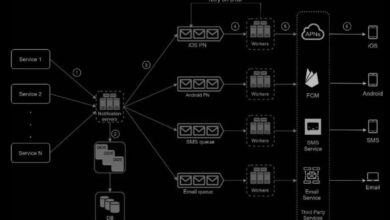
Ever wondered what happens behind the scenes when your computer runs? System logs hold the answers—silent witnesses to every operation, error, and event. Let’s dive into the world of system logs and unlock their true power.






What Are System Logs and Why They Matter

System logs are detailed records generated by operating systems, applications, and hardware devices that document events, activities, and changes occurring within a computing environment. These logs serve as a digital diary, capturing everything from user logins and software updates to system crashes and security breaches. Without them, troubleshooting would be like navigating a maze blindfolded.
The Core Definition of System Logs
At its most basic level, a system log is a timestamped file that records operational events. These files are typically stored in plain text or structured formats like JSON or XML, making them readable by both humans and machines. Each entry usually includes a timestamp, event severity level (like INFO, WARNING, ERROR), source (e.g., kernel, application), and a descriptive message.
- Logs are automatically generated by system components.
- They follow standardized formats depending on the OS or service.
- Common locations include
/var/logon Linux and Event Viewer on Windows.
“System logs are the first line of defense in diagnosing problems and ensuring system integrity.” — Linux Journal, 2023
Why System Logs Are Essential for IT Operations
System logs are not just for fixing broken systems—they’re vital for proactive monitoring, compliance, and security. Organizations use logs to detect anomalies before they escalate, audit user behavior, and meet regulatory requirements like GDPR or HIPAA. In cybersecurity, logs often provide the only evidence of an intrusion.
- Enable real-time monitoring of system health.
- Support forensic investigations after security incidents.
- Facilitate compliance with data protection laws.
For example, if a server suddenly slows down, administrators can check system logs to identify resource spikes, failed services, or unauthorized access attempts. This makes logs indispensable in maintaining uptime and performance.
The Evolution of System Logs Over Time
System logging has come a long way since the early days of computing. What started as simple printouts from mainframes has evolved into sophisticated, real-time, cloud-based logging ecosystems. Understanding this evolution helps appreciate how critical logs have become in modern IT infrastructure.
From Paper Trails to Digital Records
In the 1960s and 70s, system events were often recorded on physical printouts. Operators would manually review these paper logs to diagnose issues—a slow and error-prone process. As computers became more complex, the need for automated, digital logging grew. The introduction of Unix in the late 1960s brought one of the first standardized logging systems: syslog.
- Early systems used punch cards and print logs.
- Unix introduced
syslog, a protocol still in use today. - Digital logs allowed faster access and remote analysis.
This shift marked the beginning of machine-readable logs, enabling scripts and tools to parse and analyze data at scale.
Modern Logging: Cloud, Containers, and AI
Today’s environments—especially those using microservices, containers (like Docker), and cloud platforms (AWS, Azure)—generate massive volumes of logs. Traditional logging methods are no longer sufficient. Modern solutions like centralized log management (e.g., ELK Stack, Splunk) and AI-driven anomaly detection have emerged to handle this complexity.
- Cloud-native apps produce logs across distributed systems.
- Tools like Fluentd and Loki aggregate logs from multiple sources.
- Machine learning models now predict failures based on log patterns.
According to a Gartner report (2023), over 70% of enterprises now use AI-powered log analysis to improve incident response times.
Types of System Logs You Need to Know
Not all system logs are created equal. Different components generate different types of logs, each serving a unique purpose. Understanding these categories helps you know where to look when issues arise.
Operating System Logs
These are the foundation of system logging. The OS logs everything from boot sequences to driver errors. On Linux, key files include /var/log/messages, /var/log/syslog, and /var/log/kern.log. On Windows, the Event Viewer categorizes logs into Application, Security, and System logs.
- Linux uses
rsyslogorsyslog-ngdaemons. - Windows logs are stored in binary format (.evtx files).
- macOS combines syslog with Apple System Log (ASL).
For instance, if a Linux server fails to boot, checking /var/log/boot.log can reveal which service failed during startup.
Application Logs
Every software application—from web servers like Apache to databases like MySQL—generates its own logs. These logs track application-specific events such as user requests, query execution times, and exceptions. They are crucial for debugging application errors and optimizing performance.
- Apache logs:
access.loganderror.log. - Database logs: Record slow queries, connection attempts, and deadlocks.
- Custom apps often write logs to
/var/log/appname/.
A developer troubleshooting a login failure in a web app would first check the application’s error log to see if authentication failed due to a database timeout or invalid credentials.
Security and Audit Logs
These logs focus on user activity, access control, and potential threats. They record events like failed logins, file access attempts, firewall blocks, and privilege escalations. Security logs are essential for detecting intrusions and meeting compliance standards.
- Linux auditd generates detailed security logs.
- Windows Security logs track account logins and policy changes.
- SIEM tools (e.g., Splunk, QRadar) analyze these logs in real time.
“Over 80% of security breaches go undetected for months—often because organizations fail to monitor their security logs.” — Verizon Data Breach Investigations Report, 2023
How System Logs Work Behind the Scenes
Understanding the mechanics of logging helps you better manage and interpret log data. From log generation to storage and rotation, every step is designed to ensure reliability and performance.
Log Generation: Who Creates System Logs?
Logs are generated by various entities within a system:
- Kernel: Logs hardware interactions and low-level errors.
- Daemons/Services: Web servers, databases, and background processes.
- Applications: User-facing software like email clients or CRM systems.
- Security Modules: Firewalls, antivirus, and intrusion detection systems.
Each component uses logging libraries (like syslog() in C or logging in Python) to send messages to a central logging system. These messages are then formatted and routed based on rules defined in the logging configuration.
Log Storage and Rotation Strategies
Logs can grow rapidly—sometimes gigabytes per day in large systems. To prevent disk exhaustion, log rotation is used. This process archives old logs, compresses them, and deletes them after a retention period.
- Tools like
logrotate(Linux) automate this process. - Logs are often rotated daily or when they reach a certain size.
- Archived logs are compressed (e.g., .gz) to save space.
For example, a typical logrotate configuration might keep seven days of rotated logs and compress older ones. This ensures that recent logs are easily accessible while preserving disk space.
The Role of Syslog Protocol in System Logs
The Syslog protocol (RFC 5424) is a standard for message logging. It allows devices to send event notification messages across IP networks to a central server. Syslog uses a simple structure: PRI (priority), HEADER (timestamp and hostname), and MSG (the actual message).
- Supports three main components: Facility (source type), Severity (priority level), and Message.
- Facilities range from 0 (kernel) to 23 (local7), allowing categorization.
- Severity levels include Emergency (0), Alert (1), Critical (2), Error (3), Warning (4), Notice (5), Info (6), and Debug (7).
Because Syslog is lightweight and widely supported, it’s used in everything from routers to IoT devices. Centralized syslog servers (like Rsyslog or Syslog-ng) collect logs from hundreds of devices, enabling unified monitoring.
Best Practices for Managing System Logs
Poor log management can lead to missed alerts, compliance violations, and performance issues. Following best practices ensures your logs remain useful, secure, and efficient.
Centralized Logging: Why You Need It
In distributed environments, logs are scattered across servers, containers, and cloud instances. Centralized logging aggregates all logs into a single platform, making analysis faster and more effective.
- Tools like ELK Stack (Elasticsearch, Logstash, Kibana) and Graylog are popular choices.
- Cloud services like AWS CloudWatch and Google Cloud Logging offer native solutions.
- Centralization enables cross-system correlation of events.
For example, if a user reports slow website performance, a centralized dashboard can correlate web server logs, database logs, and network logs to pinpoint the bottleneck.
Log Retention and Compliance Policies
How long should you keep logs? The answer depends on legal, regulatory, and operational needs. Financial institutions may need to retain logs for 7+ years, while startups might keep them for 30–90 days.
- GDPR requires logs containing personal data to be anonymized or deleted after a period.
- HIPAA mandates audit logs for healthcare systems.
- PCI-DSS requires 1 year of log retention, with 3 months of immediately available logs.
Automated retention policies help enforce these rules. For instance, using S3 lifecycle policies in AWS, you can move logs to cheaper storage (like Glacier) after 30 days and delete them after 365 days.
Securing Your System Logs
Logs are valuable targets for attackers. If compromised, they can be altered or deleted to cover tracks. Securing logs is critical for maintaining integrity and trust.
- Enable log integrity checks using tools like auditd or Wazuh.
- Store logs on write-once, read-many (WORM) storage.
- Restrict access with role-based permissions.
“If your logs aren’t secure, your entire security posture is compromised.” — NIST Special Publication 800-92
Tools and Technologies for Analyzing System Logs
Raw logs are overwhelming without the right tools. Modern log analysis platforms transform terabytes of text into actionable insights through parsing, visualization, and alerting.
Open-Source Log Management Tools
Many powerful log analysis tools are open-source and free to use:
- ELK Stack: Elasticsearch (search), Logstash (ingestion), Kibana (visualization).
- Graylog: Offers alerting, dashboards, and stream processing.
- Loki: Lightweight, designed for cloud-native environments by Grafana Labs.
For example, a DevOps team can use Kibana to create a dashboard showing error rates across microservices, helping them spot trends before users are affected.
Commercial Solutions: Splunk, Datadog, and More
For enterprises needing scalability and advanced features, commercial tools offer robust capabilities:
- Splunk: Industry leader with AI-driven analytics and machine learning.
- Datadog: Integrates logs with metrics and traces for full observability.
- Sumo Logic: Cloud-native platform with real-time threat detection.
According to IDC (2023), Splunk holds over 30% of the enterprise log management market share due to its powerful search language and scalability.
Real-Time Monitoring and Alerting Systems
Waiting for a user to report an issue is not proactive. Real-time monitoring tools parse logs as they arrive and trigger alerts based on predefined conditions.
- Set up alerts for repeated failed logins (potential brute force attack).
- Monitor for disk full warnings before systems crash.
- Use anomaly detection to flag unusual traffic spikes.
Tools like Prometheus + Alertmanager or Datadog’s Monitors allow teams to define thresholds and receive notifications via email, Slack, or PagerDuty.
Common Challenges in System Logs Management
Despite their value, managing system logs comes with significant challenges. From volume to noise, these issues can overwhelm even experienced teams.
Log Volume and Scalability Issues
Modern systems generate enormous amounts of log data. A single web server can produce hundreds of MB per day; a large Kubernetes cluster can generate terabytes.
- Storage costs can skyrocket without proper planning.
- Indexing and searching large datasets slows down performance.
- Bandwidth usage increases when shipping logs to central servers.
Solutions include log sampling (recording only a subset), filtering out low-severity logs, and using efficient compression algorithms.
Log Noise and False Positives
Not all log entries are meaningful. Debug messages, routine checks, and redundant warnings create “noise” that makes it hard to spot real issues.
- Too many alerts lead to alert fatigue.
- Teams may ignore critical warnings if they’re buried in noise.
- Improper log levels (e.g., using ERROR for non-critical events) worsen the problem.
Best practice: Implement log filtering and normalization. Use tools like Logstash or Fluent Bit to parse and enrich logs, removing irrelevant entries before storage.
Data Privacy and Legal Risks
Logs often contain sensitive information: IP addresses, usernames, URLs with parameters, and even passwords (if improperly logged). Mishandling this data can lead to privacy violations.
- PII (Personally Identifiable Information) must be redacted or anonymized.
- Logging credentials is a major security risk.
- Non-compliance can result in fines (e.g., up to €20M under GDPR).
Use log masking tools or configure applications to avoid logging sensitive fields. Regular audits help ensure compliance.
Future Trends in System Logs and Observability
The future of system logs is not just about recording events—it’s about understanding them in context. Emerging trends are transforming logs from passive records into active intelligence sources.
AI and Machine Learning in Log Analysis
AI is revolutionizing how we analyze logs. Instead of manually searching for patterns, machine learning models can detect anomalies, predict failures, and even suggest fixes.
- Unsupervised learning identifies unusual behavior (e.g., a server suddenly logging 10x more errors).
- Natural Language Processing (NLP) helps parse unstructured log messages.
- Predictive analytics forecast outages based on historical log trends.
Google’s SRE team uses AI to automatically classify and prioritize incidents based on log data, reducing mean time to resolution (MTTR) by 40%.
The Rise of Observability Platforms
Observability goes beyond traditional monitoring. It combines logs, metrics, and traces into a unified view of system behavior.
- Three pillars: Logs (what happened), Metrics (how it performed), Traces (how requests flowed).
- Tools like OpenTelemetry provide a vendor-neutral framework.
- Enables root cause analysis in complex, distributed systems.
As microservices and serverless architectures grow, observability becomes essential for maintaining reliability.
Edge Computing and Decentralized Logging
With the rise of IoT and edge computing, data is processed closer to the source. This creates new challenges for logging—limited bandwidth, intermittent connectivity, and resource-constrained devices.
- Edge devices may buffer logs locally before syncing.
- Federated logging architectures allow partial aggregation at the edge.
- 5G networks enable faster log transmission from remote locations.
Companies like AWS offer Greengrass and IoT Core to manage logging in edge environments securely.
What are system logs used for?
System logs are used for troubleshooting, security monitoring, performance optimization, compliance auditing, and forensic analysis. They help administrators understand what happened in a system, when it happened, and why.
Where are system logs stored?
On Linux, logs are typically stored in /var/log. On Windows, they are managed by the Event Viewer and stored in binary files in C:WindowsSystem32winevtLogs. Cloud platforms store logs in managed services like AWS CloudWatch or Google Cloud Logging.
How can I view system logs?
You can view logs using command-line tools like tail, grep, and journalctl on Linux, or Event Viewer on Windows. For centralized systems, use dashboards like Kibana or Splunk.
Are system logs secure by default?
No, system logs are not always secure by default. They can be tampered with or contain sensitive data. Best practices include encrypting logs in transit and at rest, restricting access, and enabling integrity checks.
Can AI replace human log analysis?
AI cannot fully replace humans but greatly enhances log analysis. It automates pattern detection and anomaly identification, allowing humans to focus on interpreting results and making decisions.
System logs are far more than technical artifacts—they are the heartbeat of modern IT systems. From diagnosing errors to securing networks and ensuring compliance, their role is indispensable. As technology evolves, so too will the tools and techniques for managing logs. Embracing best practices, leveraging powerful analysis platforms, and staying ahead of emerging trends will ensure that your organization can harness the full power of system logs. Whether you’re a sysadmin, developer, or security analyst, understanding system logs is no longer optional—it’s essential.
Further Reading: